

Being a private chef in a French ski resort can sound like the perfect job. You get to live in the mountains, cook for interesting people from all over the world, ski regularly throughout the winter and, if you get it right, earn a very good living doing something you love.
But behind the scenes, life as a private chef in a ski resort isn't always quite as glamorous as it looks. From navigating the right to work in France to finding somewhere affordable to live, driving on snowy mountain roads and keeping on top of the administration that comes with running your own business, there are plenty of challenges that come with the territory.
The Right to Work in France
For British chefs, Brexit has added a significant new challenge.
For UK nationals who want to work as a private chef in France, the reality is that it has unfortunately become almost impossible for many chefs to simply come over and work a season as they once did. The rules around visas, residency and the right to work have made the process considerably more complicated, particularly for chefs hoping to work independently or on a seasonal basis.
UK nationals now need to make sure they have the appropriate immigration status and legal right to work in France. Depending on their individual circumstances, this can involve obtaining the correct visa, meeting residency requirements and ensuring they are properly registered to work as a self-employed chef.
For chefs who previously moved freely between the UK and France for seasonal work, this has been a major change. The days of simply jumping in the car, crossing the Channel and starting a winter season in the Alps are, unfortunately, largely gone.
This is a real concern for the French ski industry, which has traditionally relied on experienced seasonal workers from the UK. British chefs have long been a familiar and valued presence in French ski resorts, but the additional bureaucracy and restrictions now mean that working in France requires much more planning — and, for some chefs, may no longer be a realistic option.
For those who can navigate the requirements and obtain the necessary permissions, however, there are still opportunities to build a successful career in the French Alps. It just takes considerably more preparation than it once did.
The Challenge of Finding Somewhere to Live
Accommodation is one of the biggest challenges facing seasonal workers in the Alps.
Property prices and rental costs in popular ski resorts can be extremely high, particularly during the winter season. For a private chef, paying resort prices for accommodation can make a significant dent in your earnings.
But these days, the challenge isn't simply finding somewhere affordable — it's finding somewhere at all.
Demand for accommodation in popular ski resorts is incredibly high, and available properties can be snapped up quickly. Seasonal workers may also find themselves competing for a limited number of rentals, with some landlords preferring longer-term tenants rather than someone who is only staying for a few months.
As a result, many chefs choose to live further down the valley or in a neighbouring village, where accommodation can be more affordable and easier to secure.
This can mean a significant commute. After finishing a long evening cooking in a client's chalet, the chef may still have a 30-minute or even hour-long drive home ahead of them.
For chefs arriving in a resort for the first time, securing accommodation can be one of the biggest hurdles of the entire season. Those who have established contacts or return to the same property each year are often in a much stronger position.
The reality is that the beautiful resort you see on your ski holiday may not be where your chef actually lives — and finding somewhere to live nearby can be an adventure in itself.
Driving in Winter Conditions
If you've never driven in the mountains during winter, it can take some getting used to.
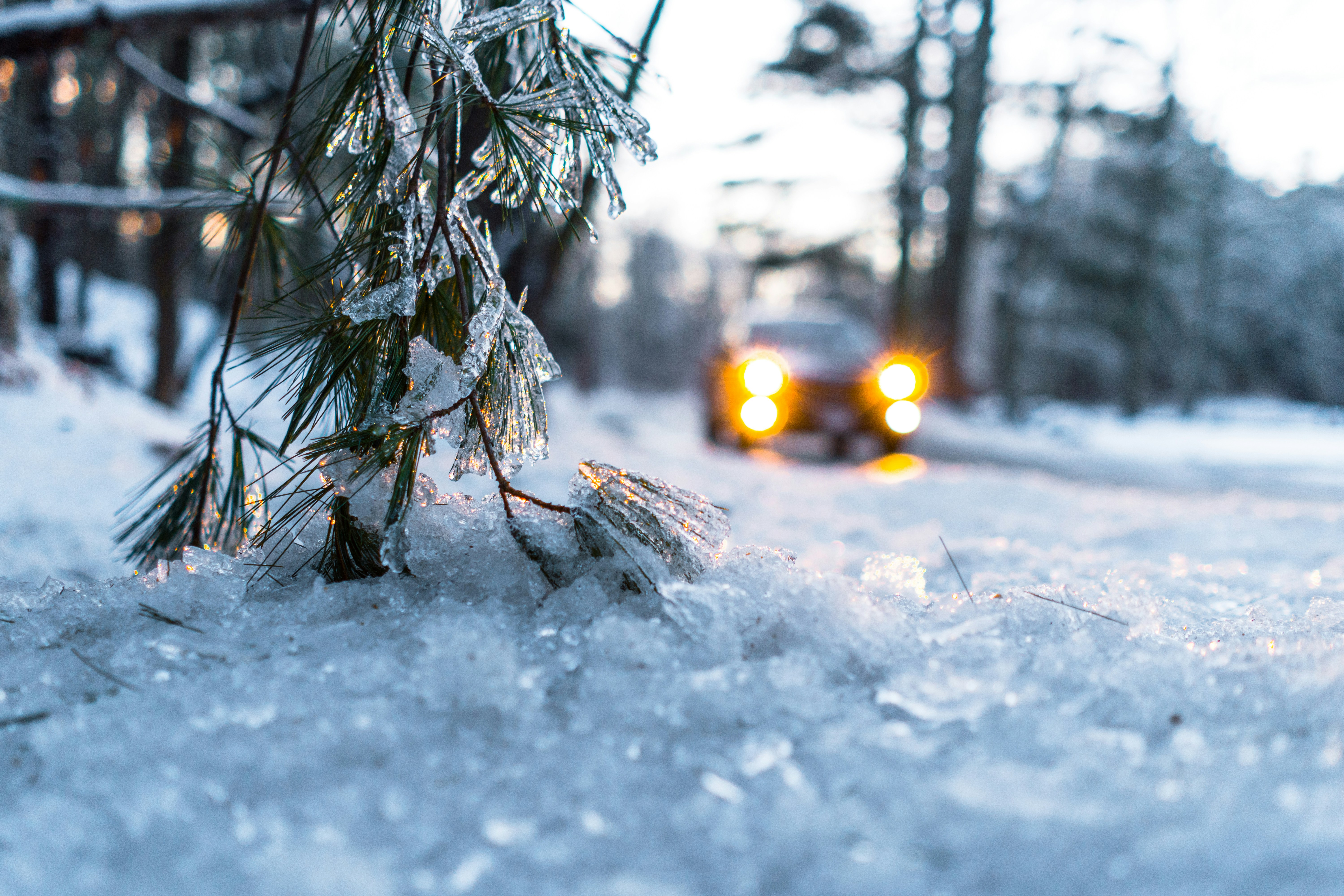
Mountain roads can be steep, narrow and icy, and conditions can change quickly. A journey that takes 20 minutes in summer can feel like a completely different proposition when there's heavy snowfall, poor visibility and traffic heading up to the resort.
For a private chef, a car is often an essential part of the job. You're transporting ingredients, equipment and everything you need to create a complete dining experience between supermarkets, suppliers and clients' chalets.
Good winter tyres, snow chains and confidence behind the wheel are all part of the job. And when you've finished a long evening of cooking and the snow is still falling, the drive home can be one of the less enjoyable parts of the day.
Parking Is Becoming Complicated
Once you've managed to get to the resort, there's another problem: where do you leave the car?
Parking in many ski resorts is becoming increasingly difficult. As resorts get busier and introduce more restrictions, finding a convenient place to park can be a genuine logistical headache.
For a private chef carrying shopping, equipment and ingredients, this is particularly frustrating. Arriving at a client's chalet with a car full of fresh produce is one thing; finding somewhere legal and practical to leave the car while you unload, cook and eventually leave again is another.
During peak weeks, when resorts are at their busiest, parking can become a daily challenge that chefs simply have to work around.
Becoming an Auto-Entrepreneur in France
For chefs who want to work independently in France, becoming registered as an auto-entrepreneur — now officially part of the micro-entrepreneur system — can be an attractive way to operate.
But being self-employed also means that the chef is running a business, not simply turning up to cook.
There is administration to deal with, declarations to make and rules to understand. Chefs need to ensure that their business is correctly registered and that they understand their responsibilities when it comes to taxation and social contributions.
For someone whose passion is food and hospitality, the business side can sometimes feel like a completely different career.
You're the Chef — and the Office Manager
One of the biggest realities of being a freelance private chef is that you are responsible for almost everything.
You need to find your clients, respond to enquiries, monitor your bookings and organise your diary. You need to source ingredients, plan menus, manage dietary requirements and keep track of your expenses.
Then there are invoices, accounts, tax returns and all the other paperwork that comes with being self-employed.
When you're busy cooking for clients several nights a week, finding the time to sit down and update your accounts isn't always easy.
The best chefs aren't just great cooks. They're also business owners, marketers, administrators, drivers, shoppers and sometimes even their own IT department.
It can be incredibly rewarding to have that level of independence, but it also requires organisation and discipline. When you work for yourself, there is no office manager waiting to remind you about the invoice you forgot to send.
The Reality of Working Alone
There is also the less obvious challenge: loneliness.
Working as a private chef can be an incredibly independent career. Unlike working in a busy restaurant kitchen, you may spend much of your working day alone.
You shop alone. You prepare alone. You cook alone. You clean up alone.
Your clients may be having an amazing holiday with family and friends, while you're heading back to your accommodation after a long evening's work.
For chefs who are used to the energy and camaraderie of a professional kitchen, this can sometimes be a difficult adjustment.
That said, the seasonal chef community can be fantastic. There are thousands of people working across the Alps every winter, and friendships made during a ski season can last for years. You just have to make the effort to get out there and meet people.
So, Is It Worth It?
Absolutely.
For all the challenges, being a private chef in a ski resort can be an incredibly rewarding career.
You get to wake up in some of the most beautiful places in the world, spend your days off skiing and meet clients from all over the world — from families enjoying their annual ski holiday to high-profile guests looking for an exceptional dining experience in the privacy of their chalet.
You can build your own business, choose the work you want to take on and, with the right clients and a busy season, earn a very good living doing something you love.
There's also something incredibly satisfying about seeing a table you've created from scratch — from the menu and ingredients to the final plate — enjoyed by your guests after a day in the mountains.
The life of a private chef in a ski resort isn't always easy. There are snowy roads, expensive rent, difficult accommodation searches, paperwork, parking problems, late nights and the occasional feeling that you are doing absolutely everything yourself.
But then the sun comes up, the mountains are covered in fresh snow, you have a day off ahead of you and there's a whole winter waiting to be enjoyed.
And suddenly, it all feels pretty worthwhile.
That's the life of a private chef in the mountains. It's challenging, it's rewarding, and for many chefs, there's simply nowhere else they'd rather be.


Muqadas Nisar